All Categories
Featured
Selecting 2026 Medicare Plans
Table of Contents
Some likewise include Medicare drug coverage (Part D). These other types of health plans include: Medicare Cost PlansDemonstration/pilot programsProgram of Extensive Take care of the Elderly (SPEED).
Require enrollment info:, 7 days a week. From extra dental, vision, and hearing protection to resources and support you can use every day, Wellcare merely gives you more consisting of $0 or low monthly strategy premiums. Things to look for in your Medicare Advantage strategy options: Depending on your location, Wellcare offers plan types like D-SNP, HMO, PPO, and C-SNP so you can choose the protection option that's right for you.
A copayment, or copay, is the amount you pay for a covered service. It is very important to consider copay quantities when comparing the entire cost of plans. All Medicare Benefit plans are needed to offer the exact same coverage as Original Medicare, which consists of Part A (healthcare facility) and Part B (medical) coverage.
How Indexed Universal Life Works
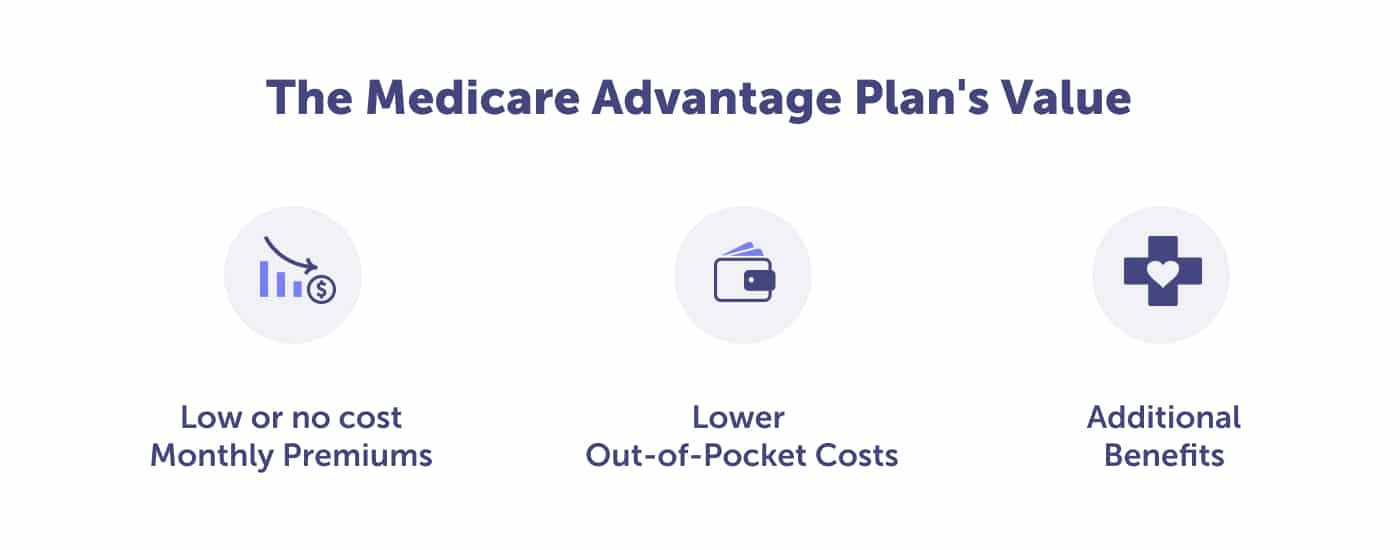
The deductible is the amount of cash you pay of pocket before your strategy starts to pay. Medicare Advantage plans have low or no deductibles and limited out-of-pocket costs, unlike Original Medicare. 8 a.m.-8 p.m., 7 days a week.
Picking these links will take you far from HealthSpring Medicare plans. 1 Not all Medicare Advantage Plans consist of Part D prescription coverage. 2 The Silver & Fit program is supplied by American Specialized Health Fitness, Inc., a subsidiary of American Specialized Health Incorporated (ASH). All programs and services are not available in all locations.
Insurance in Hesperia CAPackages are based on availability and topic to alter. When picked, kits can not be exchanged. Gym involvement may differ by area and goes through alter. Non-standard services that require an included charge are not part of the physical fitness program and will not be reimbursed. This information is not a complete description of advantages.
Medicare Benefit Plans readily available across the country in 2026. The number of strategies offered to a private Medicare recipient varies from state to state.
Final Expense Coverage Tips for Veterans
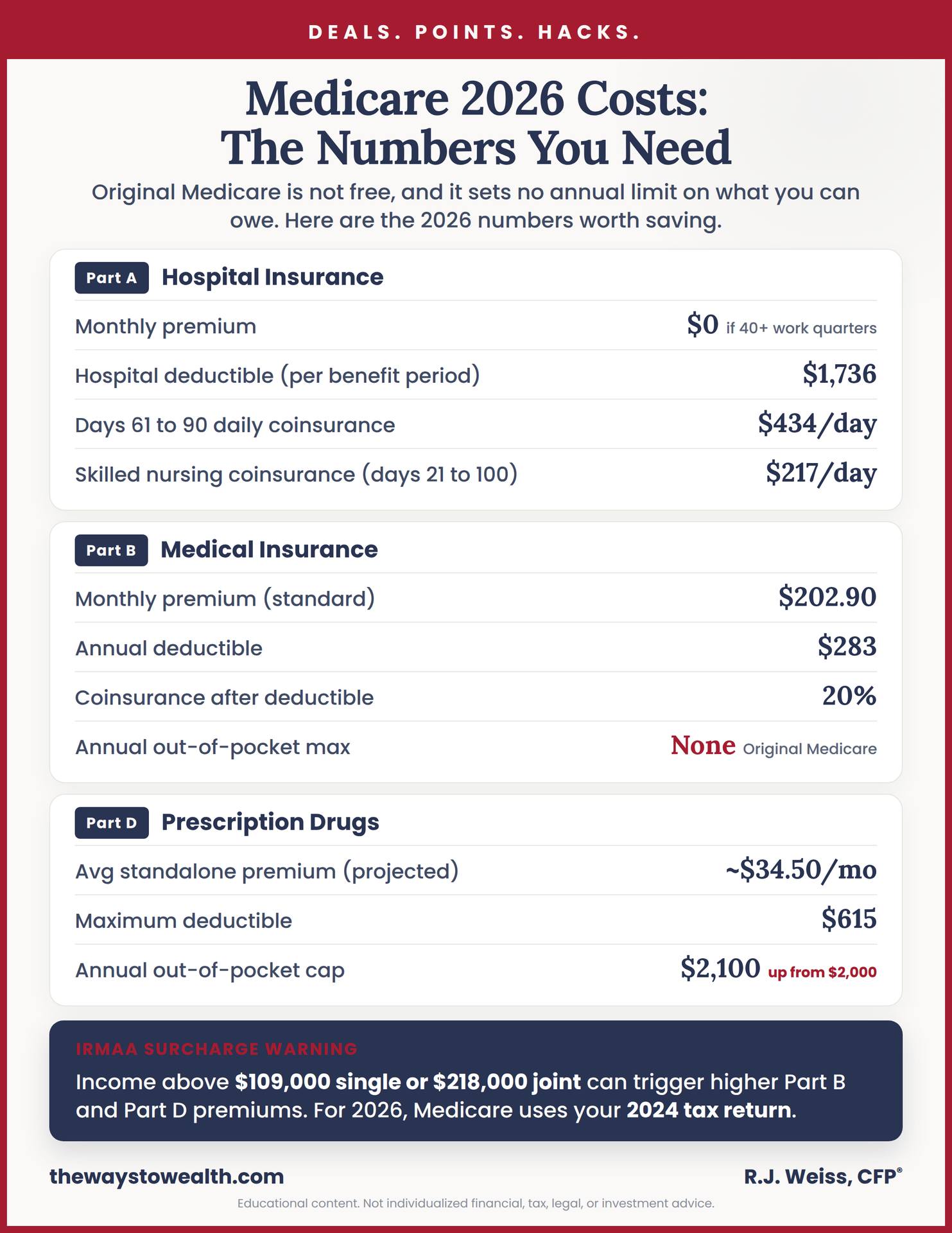
The typical regular monthly premium for Medicare Advantage prepares with prescription drug protection is expected to decrease from $16 in 2025 to $14 in 2026. It is estimated that about 81% of Medicare recipients are registered in Part D, which covers prescription drug expenses. The CMS estimates that month-to-month premiums for stand-alone Part D strategies will drop from $38 in 2025 to $34 in 2026.
Insurance companies will be allowed to raise Part D premiums as much as $50 per month, greater than the present $35 monthly maximum. Medicare authorities are anticipated to continue to negotiate prices for drugs covered under Part D.Experts state that could result in discounts of 38% to 79% on sticker price on 10 widely used prescriptions, consisting of blood thinners Eliquis and Xarelto, in addition to diabetes medications Januvia, Jardiance, and Farxiga. Individuals with Part D strategies will also continue to have the choice to use an automated prescription payment plan that expands drug costs throughout the years.
In the end, it means less cash in consumers' pockets." Kanwar Kelley, MD, a specialist in otolaryngology head and neck surgical treatment, obesity medicine, and way of life medicine along with the co-founder and president of Side Health in Orinda, CA.Despite these price decreases, specialists say some Medicare recipients might still pay more for prescription drugs."Although the cost of Part D (drug advantages) might decrease in general, the reduction in choices and modifications to covered medications could result in higher costs for customers of particular specialized medications," Kelley noted.
Evaluating PPO Versus PPO Networks
The Centers for Medicare & Medicaid Provider (CMS) approximates there will have to do with 5,600 Medicare Advantage Plans readily available nationwide in 2026. That is close to the numbers from 2025, when the number of options reduced from the previous year. The number of strategies available to a specific Medicare recipient varies from state to state.
The typical regular monthly premium for Medicare Advantage plans with prescription drug coverage is anticipated to reduce from $16 in 2025 to $14 in 2026. It is approximated that about 81% of Medicare recipients are enrolled in Part D, which covers prescription drug costs. The CMS approximates that month-to-month premiums for stand-alone Part D plans will drop from $38 in 2025 to $34 in 2026.
Insurance coverage companies will be permitted to raise Part D premiums as much as $50 per month, greater than the existing $35 monthly maximum. Medicare authorities are expected to continue to negotiate costs for drugs covered under Part D.Experts say that could result in discount rates of 38% to 79% on market price on 10 extensively utilized prescriptions, consisting of blood slimmers Eliquis and Xarelto, as well as diabetes medications Januvia, Jardiance, and Farxiga. People with Part D strategies will likewise continue to have the option to use an automated prescription payment plan that spreads out drug expenses throughout the years.
In the end, it means less cash in customers' pockets." Kanwar Kelley, MD, an expert in otolaryngology head and neck surgical treatment, weight problems medication, and lifestyle medication along with the co-founder and ceo of Side Health in Orinda, CA.Despite these cost reductions, specialists state some Medicare recipients could still pay more for prescription drugs."Although the price of Part D (drug advantages) may minimize overall, the reduction in choices and changes to covered medications could result in greater expenses for consumers of specific specialized medications," Kelley noted.
Finding Cheap Family Health Insurance
Medicare Benefit Plans readily available across the country in 2026. The number of plans available to a specific Medicare recipient differs from state to state.
The typical regular monthly premium for Medicare Advantage prepares with prescription drug coverage is expected to decrease from $16 in 2025 to $14 in 2026. It is estimated that about 81% of Medicare recipients are enrolled in Part D, which covers prescription drug expenditures. The CMS estimates that month-to-month premiums for stand-alone Part D strategies will drop from $38 in 2025 to $34 in 2026.
Insurance coverage companies will be permitted to raise Part D premiums as much as $50 monthly, greater than the present $35 month-to-month optimum. Medicare officials are expected to continue to negotiate costs for drugs covered under Part D.Experts say that might result in discounts of 38% to 79% on list rates on 10 extensively used prescriptions, including blood thinners Eliquis and Xarelto, as well as diabetes medications Januvia, Jardiance, and Farxiga. People with Part D plans will likewise continue to have the option to use an automated prescription payment strategy that spreads out drug costs for many years.
Selecting New Advantage Benefits
, MD, an expert in otolaryngology head and neck surgery, obesity medicine, and lifestyle medication as well as the co-founder and primary executive officer of Side Health in Orinda, CA.Despite these rate decreases, specialists state some Medicare receivers might still pay more for prescription drugs."Although the rate of Part D (drug advantages) might minimize in general, the decrease in alternatives and modifications to covered medications might result in greater expenses for consumers of particular specialty medications," Kelley noted.

Latest Posts
Top Medicare Supplement Plan Selection Tips

Getting Personal Health Insurance Quotes Easily
Why to Use Whole Life for Retirement Planning