All Categories
Featured

Understanding Term and Whole Life Insurance Rates
Table of Contents
If you're exploring your Medicare choices, you're most likely knowledgeable about the truth that the various parts of Medicare provide different kinds of protection. While Medicare Part A (healthcare facility insurance coverage) and Medicare Part B (medical insurance) work together to offer coverage for most health care costs, Medicare Part D was designed specifically to help cover prescription drug expenses.
Being a smart healthcare consumer is crucial to handling your healthcare costs effectively, and understanding your Medicare plans and choices is an extremely essential first step. Medicare is a federally funded medical insurance program for Americans 65 years or older and others who meet specific eligibility requirements. There are a handful of Medicare plans, each using different kinds of protection.
Medicare Part D is a prescription drug coverage program that Medicare-approved private insurance business offer. This part of Medicare assists enrollees spend for generic and brand-name prescription drugs. 1 Normally, you receive a Medicare Part D strategy if you have Original Medicare (Medicare Part A + Part B) or if you have Medicare Part C (Medicare Advantage Plan) that includes drug coverage.
Senior Dental and Vision PlansAffordable Final Expense Insurance Coverage
However, there may be differences in exactly what medicines are covered (called the plan formulary), network drug stores, and cost-sharing guidelines. To put it simply, your out-of-pocket costs, where you can use your strategy to get protection, and just how much cash you might owe will vary based upon your particular strategy.
Medicare Part D provides protection for a large range of prescription drugs. 2 While each strategy varies, covered drugs usually consist of the following: Medications to treat persistent medical problems, such as high cholesterol, high blood pressure or diabetes Specific vaccines, including the Tdap, flu and shingles shot Some specialty medications might be covered after getting prior permission It is essential to keep in mind that each strategy will have its way of covering drugs, called the plan formulary.
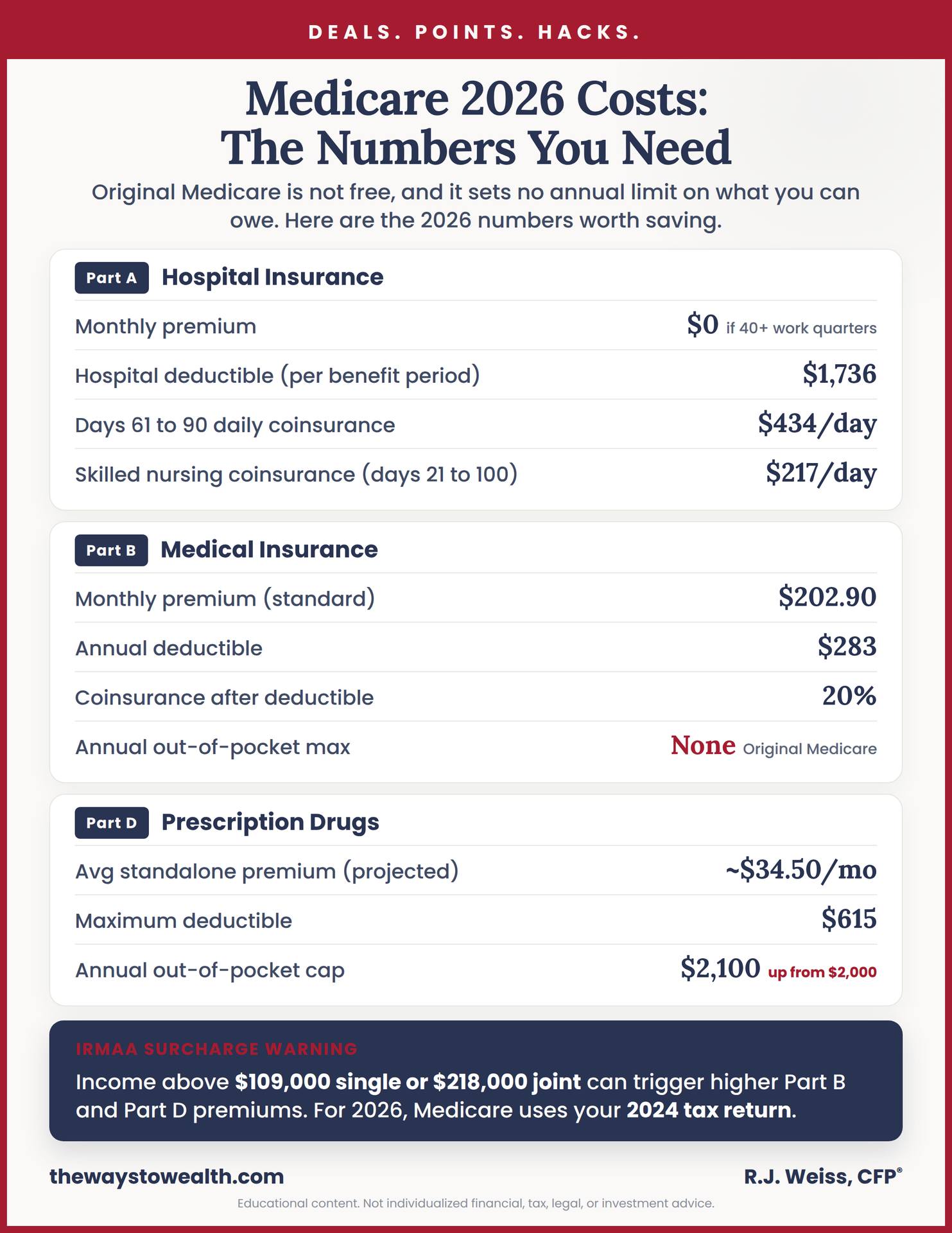
Lower tiers typically cover generic medicines at lower copays, whereas greater tiers normally include brand-name medications or specialty drugs and have higher copays. Before 2025, the Medicare "donut hole" helped secure beneficiaries from exorbitant out-of-pocket drug expenses. Since Jan. 1, 2025, due to the Inflation Decrease Act, prescription drug coverage cost-sharing is streamlined.
Senior Dental and Vision PlansSome Medicare Part D plans have a lower deductible however greater premiums, so be sure to review your options thoroughly. After you've hit the deductible, you will get in the initial protection duration. Preliminary coverage duration: Once you strike this phase, you will pay 25% of your prescription drug costs (generally as your copay or premium), approximately $2,000 in 2025.
When you have actually hit this limitation, you'll get in the devastating coverage duration. Catastrophic protection: After you have actually struck the $2,000 OOPM, you are not accountable for any other covered prescription drug expenses for the rest of the strategy year. Ask your care group about your medications and cross-reference them with Medicare Part D formularies to better understand what your out-of-pocket health care expenses may be if you have prescriptions.
Selecting the Best Medicare Advantage Plans
Medicare certification rules are as follows:2 You should be at least 65; or, You must have a certifying impairment or particular health problems like Amyotrophic Lateral Sclerosis (ALS) or end-stage renal disease (ESRD) to certify before you turn 65 years of ages. Once you have actually found out that you receive Medicare and you're signed up for either the Original Medicare or Medicare Benefit plan, you can understand your capability to sign up for a Medicare Part D strategy.
Those who are enrolled in a Medicare Benefit Strategy that has drug coverage (called an MA-PD) are currently covered under Part D. Typically, you'll register for Medicare Part D when you register for Medicare. There are a couple of different timeframes you should be mindful of if you're considering signing up for a Medicare Part D strategy:3 The Medicare IEP is the seven-month duration that starts 3 months before you turn 65, your birthday month, and the 3 months after that.
You can enroll in Medicare every year in between Oct. 15 and Dec. 7 for protection for the following year. During the annual open period, you can join a Medicare Part D strategy, switch strategies, or drop your present protection. Changes you make will work Jan. 1 of the list below year.

Latest Posts
Top Medicare Supplement Plan Selection Tips

Getting Personal Health Insurance Quotes Easily
Why to Use Whole Life for Retirement Planning